
TEN TRAILS
23207 Franklin CircleTEL:
360.469.4043EMAIL:
info@tentrails.com


 Ride the Mount Rainier Gondola

Photo courtesy Crystal Mountain Resort
Recreational razor clamming is one of the most popular licensed outdoor activities in Washington state. If you haven’t tried razor clamming, this is the perfect time to give it a try! This family-friendly activity is enjoyed by children and senior citizens alike, totaling over 75,000 participants each year in Washington. Razor clamming beaches on the Washington coast can be reached from Ten Trails in less than 3 hours. Washington Department of Fish and Wildlife has announced digs for this weekend so grab your gear and come along!
Razor clam is a common name for long, saltwater clams (which vaguely resemble a closed straight razor in shape). The Pacific razor clam can grow as long as six inches, in contrast with the common, Manila clam, which tops out at three or four inches. This clam is quite a bit beefier with far more protein that the more widely-known Manila clam.
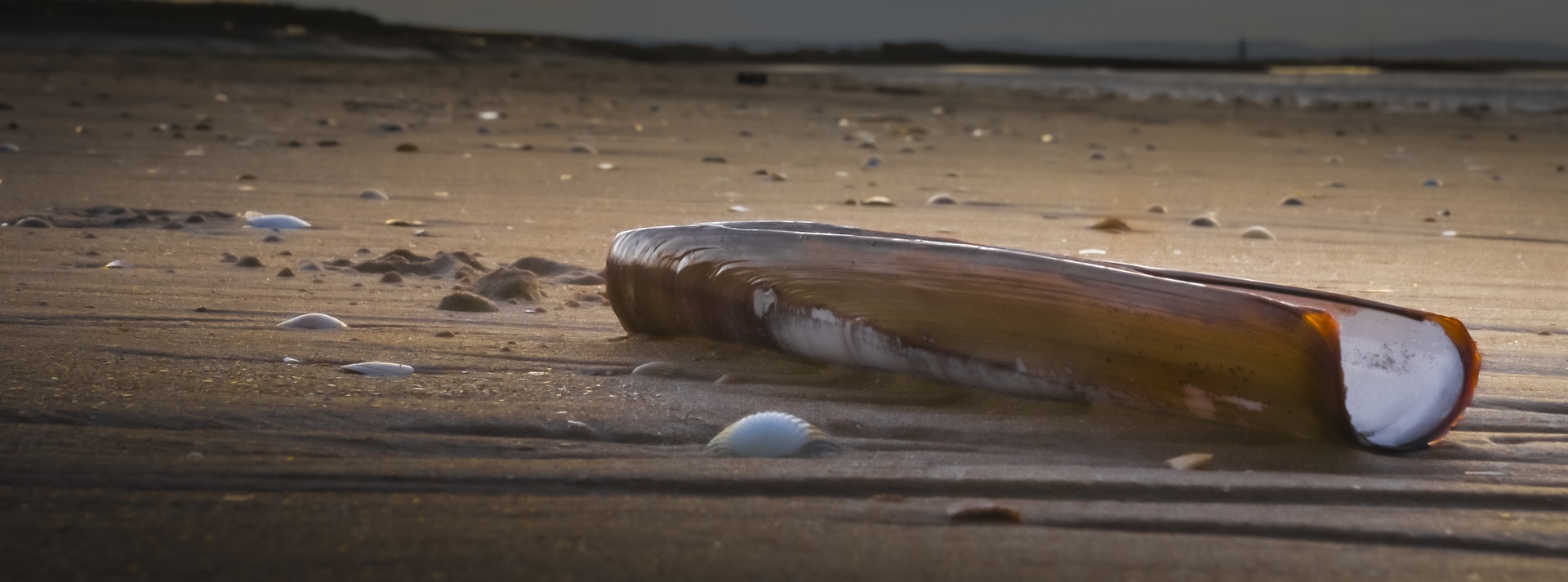
To harvest razor clams, you’ll need boots, rubber gloves, a clam gun or shovel, a shellfish license, a headlamp—many low tides occur after dark—and a bucket to store what you’ve reaped. The “clam gun” refers to a specialized tube, made of aluminum or PVC pipe, with a handle which you wiggle into the wet sand, pulling up a core sample that, if properly extracted,will contain your prey.
Razor clams are collected in the hours just before low tide,when the receding water leaves behind soft sand. When clams move or feed, the disturbance creates a small hole or dimple in the sand.This is called a “show” and it is your indication that a clam is hidden beneath the surface. When you discover a “show,” you’ll target this area for digging with your shovel or clam gun. You’ll want to keep in mind that razor clams can dig downward about a foot every thirty seconds, and they can be up to three feet deep. They can’t go sideways, but they will move downward fast in wet sand. They will attempt to escape by digging down and away from you. Try to angle the gun slightly toward the ocean, and twist or plunge the tube until the pipe is at least two feet down into the sand. If you hear a crunch, you found one, but that sound means you’ve broken the shell. You are required to keep it and count it toward your daily limit of 15. Fortunately, mangled clams are still edible!
Experienced clam hunters recommend that diggers arrive to the beach an hour or two before low tide for best results. Designated dig times are often in the evening, so be sure to dress warmly and be extra cautious of the ocean as it’s difficult to see large waves coming at night.
The largest concentration of razor clams in Washington is found on a 53-mile stretch of shore on Washington state’s southern coast, where sandy,flat beaches provide an ideal habitat. Razor clams should only be harvested at the designated times and locations published on the WDFW website. Before heading out, always be aware of season openings, closures and adhere to designated times and locations on the WDFW website: www.wdfw.wa.gov/fishing/shellfish/razorclams
Upcoming digs are scheduled on the following dates, beaches and low tides:
Dec.21, Friday, 5:35 p.m.; -1.0 feet; Twin Harbors, Copalis
Dec.22, Saturday, 6:20 p.m.; -1.4 feet; Long Beach, Twin Harbors, Mocrocks
Dec.23, Sunday, 7:05 p.m.; -1.6 feet; Twin Harbors, Copalis
Washington State Department of Fish and Wildlife tests for levels of a natural toxin produced by certain types of algae to determine if, when, and where to open beaches for harvesting of razor clams. Razor clamming should only be done at the designated times and locations published www.wdfw.wa.gov/fishing/shellfish/razorclams.
The daily limit per person is 15 clams, no matter what condition they are in, once removed from the sand. That limit is subject to change. Always check with official sources if you have any questions. Digging prior to noon during the Fall-Winter season on the approved days is not allowed. Also, each digger must keep their razor clams in a separate container.
All diggers age 15 or older must have an applicable 2018-19 fishing license to harvest razor clams on any beach.Licenses, ranging from a three-day razor clam license to an annual combination fishing license, are available on WDFW’s website and from license vendors around the state.
As part of planning your razor clamming trip, visit the website for Razor Clam Society at www.razorclamsociety.org and the Washington State Parks Foundation at www.waparks.org/razor-clamming-on-the-coast.
www.TenTrails.com
360-469-4043



